
Is Your Sump Pump Ready for Indiana’s Summer Storms?
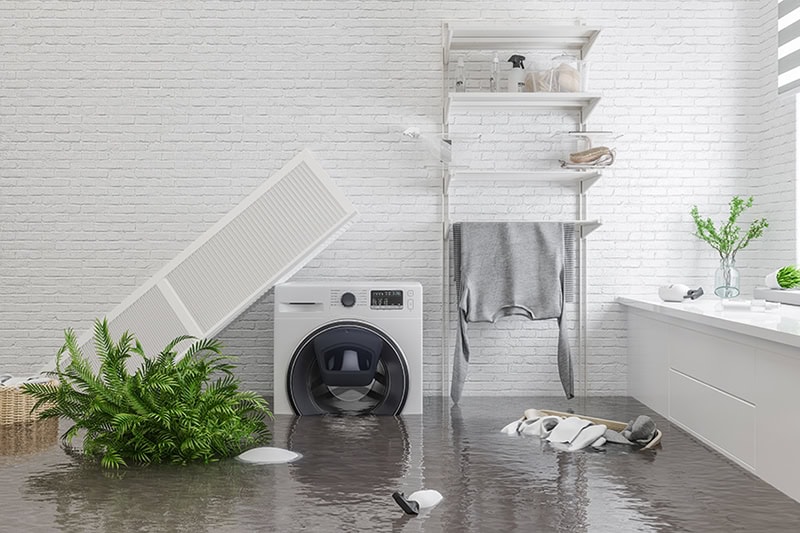
Keeping your home dry is a top priority during summer’s hot, humid, and rainy days in Central Indiana.
Even if your sump pump worked without a glitch during our severe spring rains, now is the perfect time to give it some attention. The last thing you want is your basement flooding during a downpour because your equipment isn’t ready. At Blue Fox Heating, Cooling, & Plumbing, we want to help you prepare it for summer downpours.
What Does a Sump Pump Do?
Sump pumps have a simple but vital plumbing job in many homes from West Lafayette to Bloomington and neighboring communities. It sits in a pit—also called a sump basin—in your lowest level, such as the basement or crawlspace.
When groundwater or heavy rain threatens to seep into your home’s foundation, the water collects in the pit. Once it reaches a certain level, the pump kicks on and directs the water to a safe drainage area.
When Should You Install a Sump Pump?
If you don’t have a sump pump, and you’ve never noticed dampness, water stains, or a musty smell in your basement after a storm, you likely don’t need one. If your basement or crawlspace is in an area with a high water table, heavy clay soil, or poor exterior drainage, a sump pump is likely essential.
Preparing Your Sump Pump for Summer Rains
You’ve made it through severe storms from March through June, and are ready to address sump pump maintenance. Playing catch-up with maintenance is much less expensive than ignoring your system and then dealing with water damage later this summer.
Here’s your do-it-yourself (DIY) checklist:
Test Your Sump Pump
If it hasn’t rained in a while, it’s worth testing your equipment. Slowly pour a few gallons of water into the pit. The float switch should rise, the pump should turn on immediately, and it should move the water out efficiently. If it doesn’t, call us at Blue Fox for a professional assessment and repair.
Leaving it unaddressed can cause the sump pit to overflow and flood your basement or crawlspace. Flooding requires an immediate response because the water can damage your home and lead to mold growth. According to the U.S. Environmental Protection Agency (EPA), mold can grow on wood, drywall, carpet, and furniture that are wet for more than 24 hours.
Clean the Sump Pump Pit and Screen
Groundwater can carry debris like silt, gravel, or even small sticks into your pit, clogging the pump’s intake screen. If you see accumulated mud, pebbles, or slime, it’s time to clean the pit.
Unplug the pump and remove it. Bail the water out using a bucket or a wet/dry shop vacuum. Scrub the sides of the pit with mild detergent. Rinse and remove the rinse water. Place the pump in the pit, plug it in, and add a few gallons of water to ensure the pump turns on and drains the pit,
Inspect the Sump Pump Discharge Pipe
If your sump pump basin drains into a pipe that is visible on your property, inspect it for leaves, dirt, or nests. Clear any obstructions from the pipe so the water can drain away from your home’s foundation. Some pits drain directly into an underground pipe.
Check the Backup for Your Sump Pump
Your backup system takes over when your primary pump loses power. If you have a battery-powered backup, test it by unplugging the main pump to see if the backup kicks in automatically.
Do I Need a Backup Battery for My Sump Pump?
Many of Central Indiana’s worst storms cause power outages. If your power goes out, your main electric pump stops working. A battery backup keeps your sump pump running and your home protected when the power goes out.
Replace your backup battery every three to five years. Batteries lose the ability to hold a charge over time, and you don’t want to find out your sump pump battery is dead during the middle of a thunderstorm.
If you notice your battery loses its charge faster than it has in the past, it may be time for replacement because it may not make it through a long power outage.
When Should I Replace My Sump Pump?
Sump pumps typically last seven to 10 years. If your unit is on its last legs, consider a replacement before it fails.
Strange noises, such as grinding and rattling, and visible rust, indicate a failing motor or deteriorating pump.
If your sump pump turns on and off too frequently, it could have a switch issue or simply be struggling to keep up.
If the pump fails to run when the float switch rises, it’s time to call in the Blue Fox pros.
Let Blue Fox Prep Your Sump Pump for Summer
As a homeowner in Central Indiana, you can clean and test your sump pump without professional help. However, some tasks are best left to the Blue Fox Heating, Cooling, & Plumbing team. If you’re uncomfortable working with electrical connections or aren’t sure how to properly install a new pump, give us a call. We can also inspect your drainage system to ensure it is ready for summer rain. Call us at 765-252-0051 or request service online.